Neighbourhood · Kyoto
Kitano and Kinkaku-ji (north-west): what to see and do
北野・金閣寺
The north-west of the city around Kitano Tenmangu, the Kamishichiken geisha district and Kinkaku-ji, with Ryoan-ji and Ninna-ji along the Randen line. It suits repeat visitors who want a quiet base near the north-western temples.
18 places Kitano-Hakubaicho, 10 min walkRyoanji, 18 min walk 45 min to Kyoto Station
Base map unavailable: areas, places and hotel search still work.
Sights
-
Temple
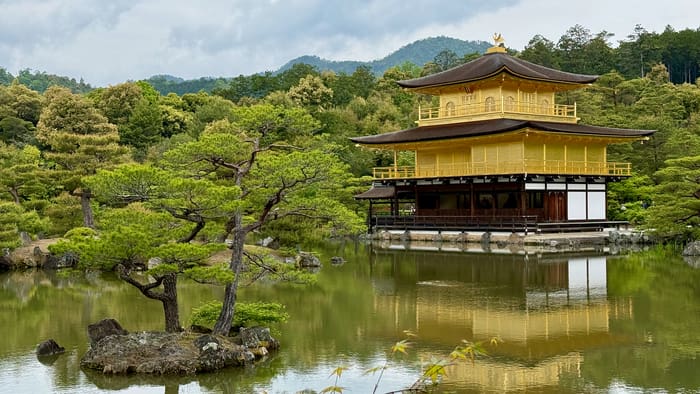
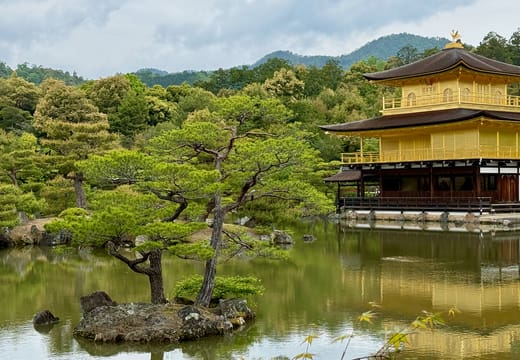
Kinkaku-ji (Golden Pavilion) 金閣寺(鹿苑寺)
Formally Rokuon-ji, the former retirement villa of shogun Ashikaga Yoshimitsu, whose top two floors are covered in gold leaf.
Kinkakuji-michi bus stop (Kyoto City Bus 204, 205), 7 min walk · Paid entry · 40 min
-
Temple
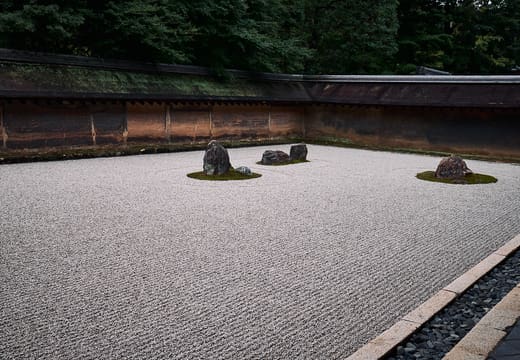
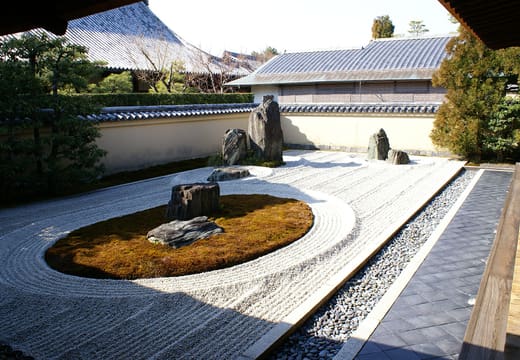
Ryoan-ji 龍安寺
A Zen temple converted from an aristocrat's villa in 1450, known for its rock garden of 15 rocks set in raked pebbles, viewed from the Hojo.
Ryoanji (Keifuku Kitano Line), 10 min walk · Paid entry · 45 min
-
Shrine
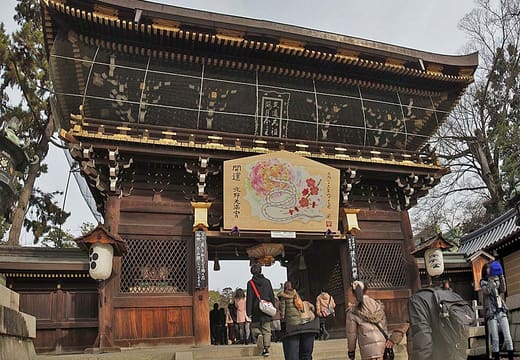
Kitano Tenmangu 北野天満宮
A shrine to Sugawara no Michizane, revered as the deity of learning, with a grove of nearly 2000 plum trees that bloom from February to March.
Kitano-Hakubaicho (Keifuku Kitano Line), 7 min walk · Free entry · 40 min
-
Temple
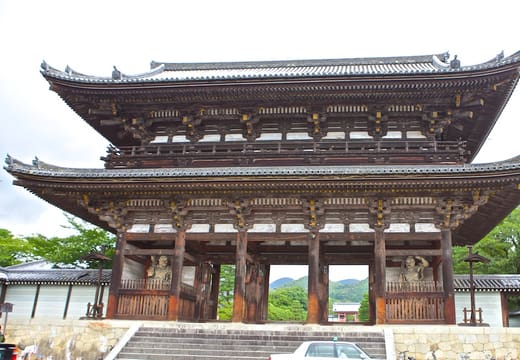
Ninna-ji 仁和寺
Founded in 888 by the reigning emperor and long headed by members of the imperial family, Ninna-ji is part of the UNESCO Historic Monuments of Ancient Kyoto.
Omuro-Ninnaji (Keifuku Kitano Line), 3 min walk · Paid entry · 1 h
-
Temple
Daitoku-ji 大徳寺
A walled Zen temple complex founded in 1319 with nearly two dozen subtemples.
Kitaoji (Karasuma Line), 15 min walk · Paid entry · 1 h 30 min
-
Temple
Myoshin-ji 妙心寺
A large Rinzai Zen complex with about 50 subtemples.
Hanazono (JR Sagano Line), 5 min walk · Paid entry · 1 h
-
Shrine
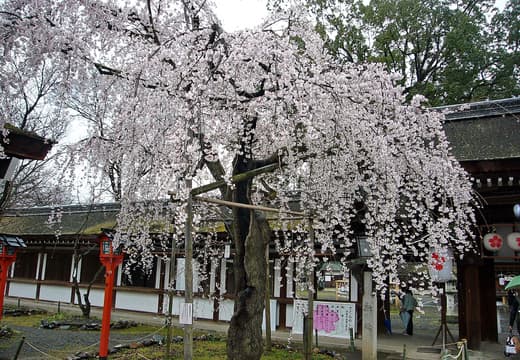
Hirano Shrine 平野神社
A shrine a few minutes north of Kitano Tenmangu with around 60 varieties of cherry trees that flower in succession over about six weeks.
Kitano-Hakubaicho (Keifuku Kitano Line), 7 min walk · Free entry · 20 min
-
Street
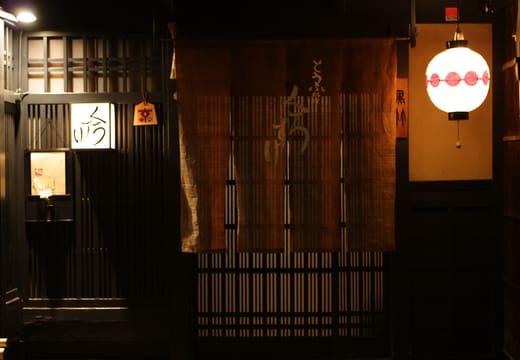
Kamishichiken 上七軒
The oldest of Kyoto's five geisha districts, a short street of teahouses just east of Kitano Tenmangu.
Kitano-Hakubaicho (Keifuku Kitano Line), 10 min walk · Free entry · 20 min
-
Shrine
Seimei Shrine 晴明神社
A small shrine on Horikawa-dori dedicated to Abe no Seimei, the Heian court diviner, founded in 1007 on the site of his residence.
Ichijo-modoribashi Seimei-jinja-mae bus stop (Kyoto City Bus 9), 1 min walk · Free entry · 20 min
-
Museum
Nishijin Textile Center 西陣織会館
The showroom of the Nishijin weaving industry association at Horikawa and Imadegawa, with daily kimono shows, displays on the history of Nishijin weaving, demonstrations by artisans and a shop.
Horikawa Imadegawa bus stop (Kyoto City Bus 9), 1 min walk · Free entry · 45 min
-
Temple
Toji-in 等持院
The family temple of the Ashikaga shoguns, founded by Ashikaga Takauji, at the foot of Mount Kinugasa.
Tojiin (Keifuku Kitano Line), 5 min walk · Paid entry · 45 min
-
Shrine
Imamiya Shrine 今宮神社
A shrine north of Daitoku-ji, first established in 994 and moved to its present site in 1001 to protect the city from epidemics.
Imamiya-jinja-mae bus stop (Kyoto City Bus 46), 2 min walk · Free entry · 30 min
-
Landmark
Funaoka Onsen 船岡温泉
A public bathhouse in Murasakino that opened in 1923 as the bath of the Funaoka-ro inn and has been a neighbourhood sento since the early Showa period.
Senbon-Kuramaguchi bus stop (Kyoto City Bus 206), 7 min walk · Paid entry · 1 h
-
Temple
Senbon Shakado (Daiho-on-ji) 千本釈迦堂(大報恩寺)
A temple founded in 1221 whose main hall, completed in 1227, survived the Onin War and is the oldest wooden building in the old city of Kyoto, designated a National Treasure.
Kamishichiken bus stop (Kyoto City Bus 50), 5 min walk · Paid entry · 40 min
Food, drink and markets
-
Cafe
Ichiwa (aburi-mochi) 一文字屋和輔(一和)
A teahouse outside the east gate of Imamiya Shrine that dates itself to 1002 and sells only aburi-mochi: small rice cakes dusted with soybean flour, grilled on skewers and served in a sweet white miso sauce.
Imamiya-jinja-mae bus stop (Kyoto City Bus 46), 2 min walk · Free entry · 30 min
-
Cafe
Awamochi Sawaya 粟餅所 澤屋
A sweets shop across Imadegawa-dori from Kitano Tenmangu, in business since 1682 as a teahouse for the shrine.
Kitano-Hakubaicho (Keifuku Kitano Line), 7 min walk · Free entry · 20 min
-
Market
Tenjin-san Market (Kitano Tenmangu) 天神市(北野天満宮)
A market held on the 25th of every month, the day associated with Sugawara no Michizane, around the approach and grounds of Kitano Tenmangu.
Kitano-Hakubaicho (Keifuku Kitano Line), 7 min walk · Free entry · 1 h 30 min
-
Cafe
Sarasa Nishijin さらさ西陣
A cafe and evening bar in the Fujinomori-yu bathhouse building of 1930, which keeps its coffered ceiling and walls of Japanese majolica tiles.
Senbon-Kuramaguchi bus stop (Kyoto City Bus 206), 11 min walk · Free entry · 1 h
Getting there
- Kitano-Hakubaicho (Keifuku Kitano Line), 10 min walk
- Ryoanji (Keifuku Kitano Line), 18 min walk
- Kyoto Station
- 45 min
- Shijo-Kawaramachi crossing
- 40 min
- Yasaka Shrine (Gion)
- 45 min
Travel time (public transport)
For visitors
- Kinkaku-ji, Kitano Tenmangu, Ryoan-ji and Ninna-ji within walking distance or one Randen stop
- Kamishichiken, the oldest geisha district, is on the doorstep
- Randen tram to Arashiyama
- No subway or JR station; most trips to the centre are by bus
- About 40 to 45 minutes to Kyoto Station, downtown and Gion
- Few hotels and limited evening dining
Nearby areas
Sources · Verified 24 September 2026