Autumn leaves in Kyoto
Places known for their autumn colour. 23 places, the most featured first.
Base map unavailable: areas, places and hotel search still work.
-
Temple · Kiyomizu-Gojo
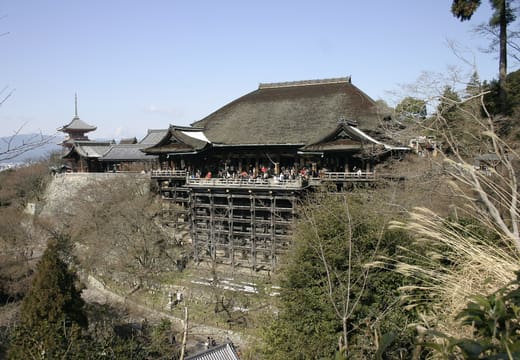
Kiyomizu-dera 清水寺
Founded in 780 on the Otowa waterfall in the eastern hills and part of the UNESCO Historic Monuments of Ancient Kyoto.
Kiyomizu-Gojo (Keihan Main Line), 20 min walk · Paid entry · 1 h
-
Temple · Kinkaku-ji and Kitano
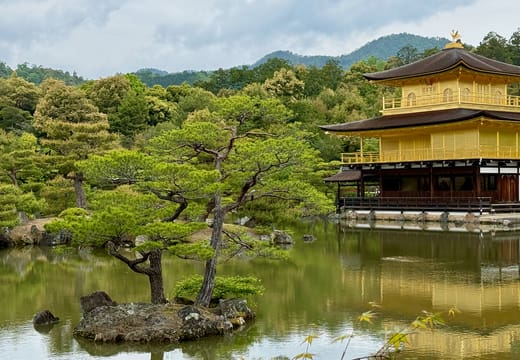
Kinkaku-ji (Golden Pavilion) 金閣寺(鹿苑寺)
Formally Rokuon-ji, the former retirement villa of shogun Ashikaga Yoshimitsu, whose top two floors are covered in gold leaf.
Kinkakuji-michi bus stop (Kyoto City Bus 204, 205), 7 min walk · Paid entry · 40 min
-
Temple · Okazaki
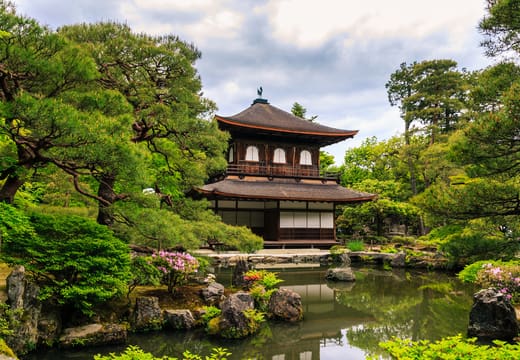
Ginkaku-ji (Silver Pavilion) 銀閣寺(慈照寺)
Built in 1482 as the retirement villa of shogun Ashikaga Yoshimasa and converted into a Zen temple after his death.
Ginkakuji-michi bus stop (Kyoto City Bus 5, 17), 10 min walk · Paid entry · 45 min
-
Street · Okazaki
Philosopher's Path 哲学の道
A stone path of about 2 km along a canal of the Lake Biwa Canal system, between Ginkaku-ji and the Nanzen-ji area.
Ginkakuji-michi bus stop (Kyoto City Bus 5, 17), 8 min walk · Free entry · 45 min
-
Temple · Arashiyama
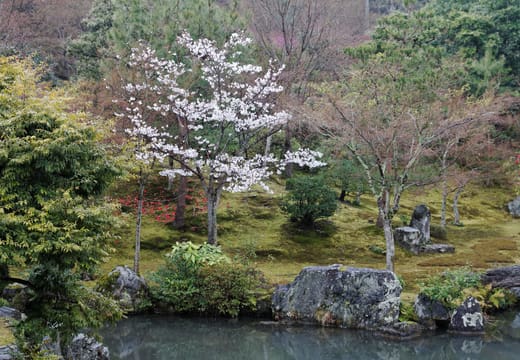
Tenryu-ji 天龍寺
Founded in 1339 by shogun Ashikaga Takauji and ranked first among Kyoto's five great Zen temples.
Arashiyama (Keifuku Arashiyama Line), 5 min walk · Paid entry · 1 h
-
Temple · Kinkaku-ji and Kitano
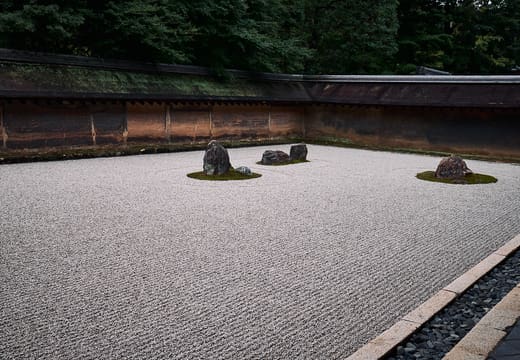
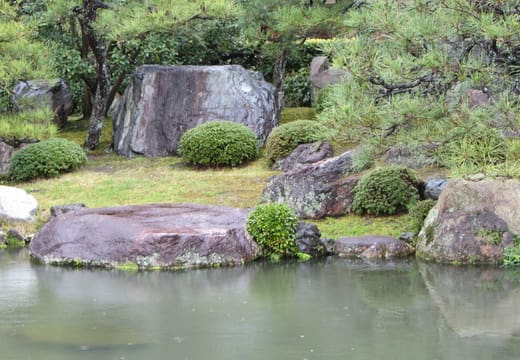
Ryoan-ji 龍安寺
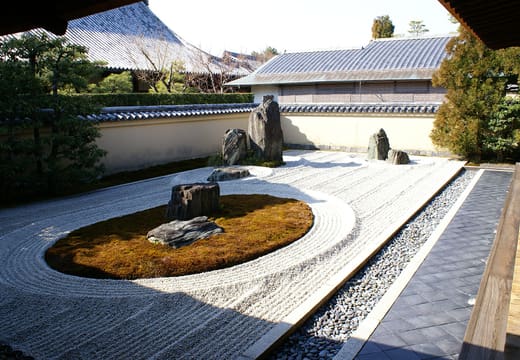
A Zen temple converted from an aristocrat's villa in 1450, known for its rock garden of 15 rocks set in raked pebbles, viewed from the Hojo.
Ryoanji (Keifuku Kitano Line), 10 min walk · Paid entry · 45 min
-
Temple · Okazaki
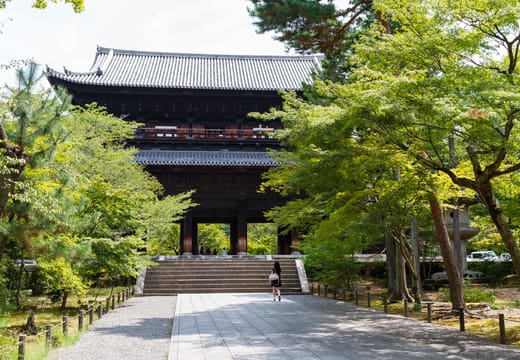
Nanzen-ji 南禅寺
Head temple of one of the schools of Rinzai Zen, at the foot of the Higashiyama hills.
Keage (Tozai Line), 7 min walk · Paid entry · 1 h
-
Temple · Fushimi
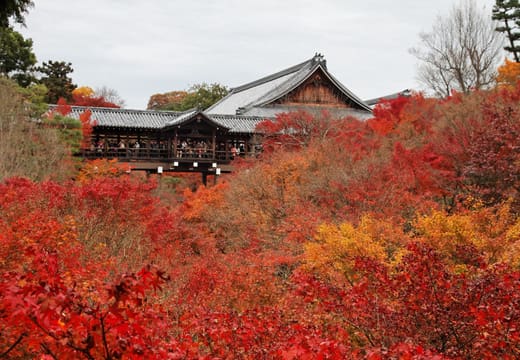
Tofuku-ji 東福寺
A large Rinzai Zen temple founded in 1236 and known for its autumn colours seen from the covered Tsutenkyo bridge.
Tofukuji (JR Nara Line, Keihan Main Line), 10 min walk · Paid entry · 1 h
-
Temple · Gion
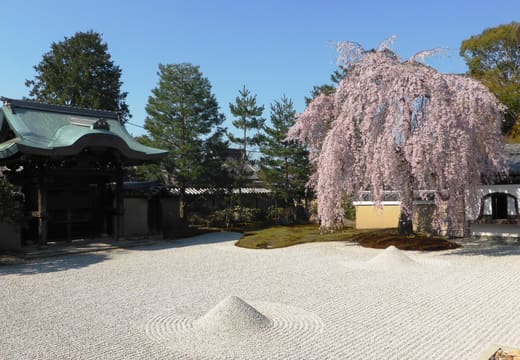
Kodai-ji 高台寺
A Rinzai Zen temple founded in the early 1600s by Nene in memory of her husband Toyotomi Hideyoshi.
Gion-Shijo (Keihan Main Line), 15 min walk · Paid entry · 45 min
-
Temple · Okazaki
Eikan-do (Zenrin-ji) 永観堂
A Jodo sect temple north of Nanzen-ji known for its autumn colours, its hillside Tahoto pagoda and a statue of the Amida Buddha with his head turned to the side.
Keage (Tozai Line), 15 min walk · Paid entry · 1 h
-
Shrine · Kinkaku-ji and Kitano
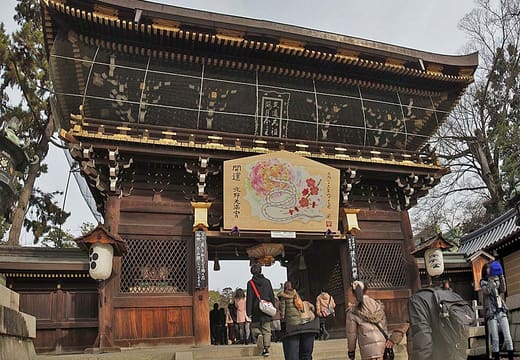
Kitano Tenmangu 北野天満宮
A shrine to Sugawara no Michizane, revered as the deity of learning, with a grove of nearly 2000 plum trees that bloom from February to March.
Kitano-Hakubaicho (Keifuku Kitano Line), 7 min walk · Free entry · 40 min
-
Garden · Kyoto Station
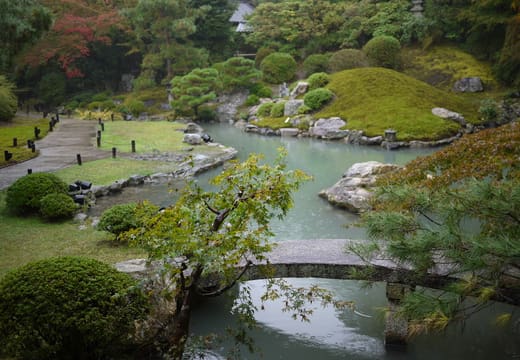
Shosei-en Garden 渉成園
A detached garden of Higashi Hongan-ji, a few blocks east of the main temple, with a pond, bridges and teahouses laid out around a stroll path.
Kyoto (JR lines, Karasuma Line, Kintetsu Kyoto Line), 10 min walk · Paid entry · 40 min
-
Temple · Okazaki
Shoren-in 青蓮院
A Tendai temple at the foot of the Higashiyama hills whose head priests were traditionally members of the imperial family.
Higashiyama (Tozai Line), 5 min walk · Paid entry · 45 min
-
Temple · Okazaki
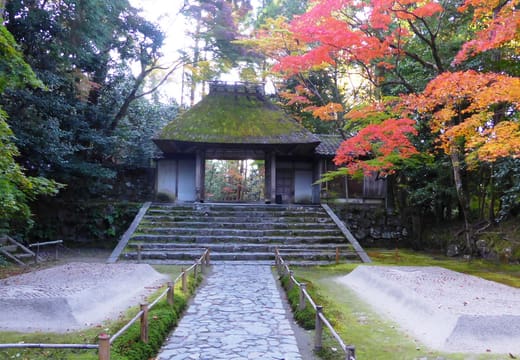
Honen-in 法然院
A small temple a short walk east of the Philosopher's Path, entered through a thatched gate between raked sand mounds.
Ginkakuji-michi bus stop (Kyoto City Bus 5, 17), 12 min walk · Free entry · 20 min
-
Landmark · Arashiyama
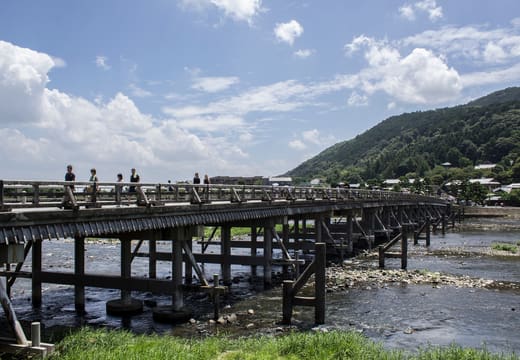
Togetsukyo Bridge 渡月橋
Arashiyama's central landmark over the Katsura river, first built in the Heian period and last reconstructed in the 1930s, with forested mountains behind.
Arashiyama (Keifuku Arashiyama Line), 5 min walk · Free entry · 20 min
-
Garden · Arashiyama
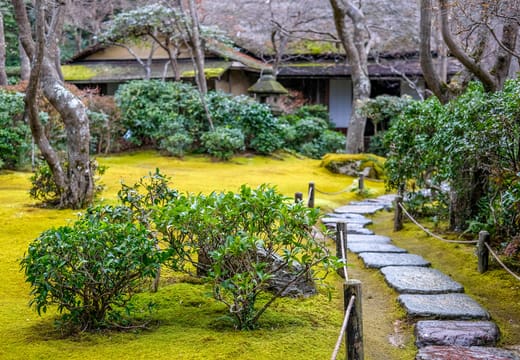
Okochi Sanso 大河内山荘
The former villa and gardens of film actor Okochi Denjiro (1896 to 1962), at the far end of the bamboo grove, with several gardens, living quarters and teahouses.
Arashiyama (Keifuku Arashiyama Line), 15 min walk · Paid entry · 45 min
-
Temple · Arashiyama
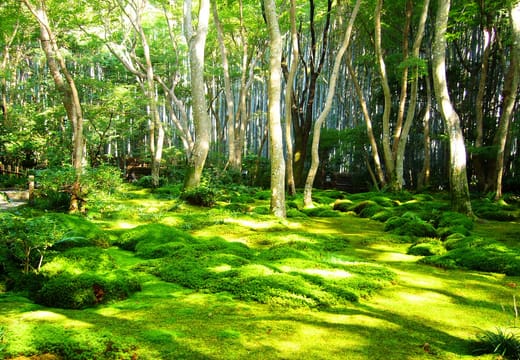
Gio-ji 祇王寺
A small temple in the Sagano hills known for its moss garden punctuated with maple trees, a thatched entrance gate and a thatched main hall with a round window.
Saga-Arashiyama (JR Sagano Line), 25 min walk · Paid entry · 30 min
-
Landmark · Arashiyama
Sagano Scenic Railway 嵯峨野観光鉄道
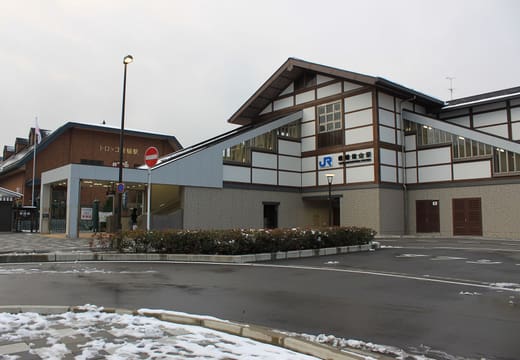
A sightseeing train running 7 km from Torokko Saga Station, next to JR Saga-Arashiyama Station, to Torokko Kameoka along the Hozu river gorge in about 25 minutes.
Saga-Arashiyama (JR Sagano Line), 1 min walk · Paid entry · 1 h 30 min
-
Temple · Arashiyama
Jojakko-ji 常寂光寺
A hillside temple founded in 1596 north of the bamboo grove, with paths and steps through maples and moss and views over Kyoto from several points.
Saga-Arashiyama (JR Sagano Line), 20 min walk · Paid entry · 40 min
-
Temple · Kinkaku-ji and Kitano
Daitoku-ji 大徳寺
A walled Zen temple complex founded in 1319 with nearly two dozen subtemples.
Kitaoji (Karasuma Line), 15 min walk · Paid entry · 1 h 30 min
-
Temple · Okazaki
Shinnyo-do (Shinsho Gokuraku-ji) 真如堂(真正極楽寺)
A Tendai temple founded in 984 by a priest from Enryaku-ji, on a low hill between Okazaki and Yoshida.
Shinnyodo-mae bus stop (Kyoto City Bus 5), 5 min walk · Paid entry · 45 min
-
Viewpoint · Arashiyama
Arashiyama Park (Kameyama area) viewpoint 嵐山公園 亀山地区
A hillside park at the end of the bamboo grove path, past Okochi Sanso, with an observation deck about 40 m above the river looking up the Hozu gorge and across to Senko-ji on the far bank.
Arashiyama (Keifuku Arashiyama Line), 10 min walk · Free entry · 30 min
-
Temple · Fushimi
Sennyu-ji 泉涌寺
A Shingon temple on the wooded slopes of the Higashiyama hills, known as Mitera, the imperial family's temple, because many emperors are buried in the imperial mausoleum behind it, including Emperor Komei.
Tofukuji (JR Nara Line, Keihan Main Line), 15 min walk · Paid entry · 1 h
Other categories
More by season and situation
- Free things to do in Kyoto 58 places
Places with free entry, from temple grounds and shrines to markets and riverside walks.
- Kyoto on a rainy day 70 places
Museums, covered arcades and halls that stay dry when it rains.
- Kyoto early in the morning 28 places
Places at their best early, at opening time or before the day crowds.
- Kyoto at night 30 places
Places to go after dark: lit streets, shrines open at night and evening views.
- Cherry blossoms in Kyoto 17 places
Places known for their cherry blossom.
- Kyoto with kids 21 places
Places that work well with children.